
Setting Up a Home Office for Digital Marketing Success
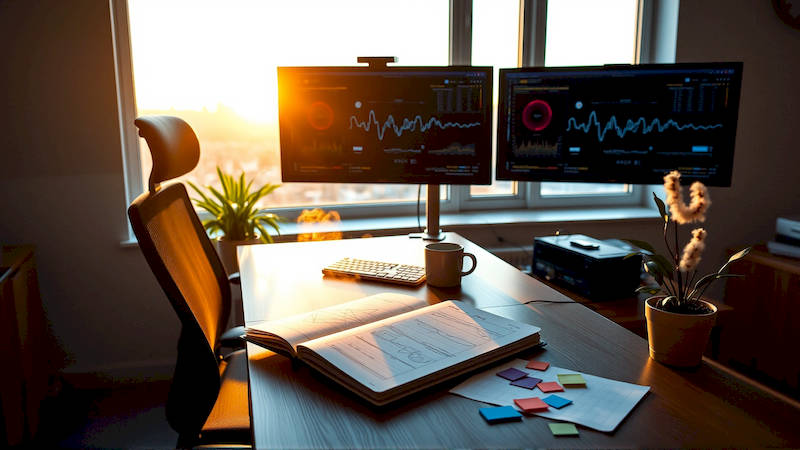
The rise of remote work has dramatically reshaped the landscape of digital marketing. No longer tethered to traditional office spaces, digital marketing professionals are increasingly embracing the freedom and flexibility of working from home. However, simply relocating your work doesn't automatically translate into increased productivity or success. A thoughtfully designed and equipped home office is critical for digital marketers. It's not merely about aesthetics; it’s about fostering focus, maximizing efficiency, and projecting professionalism during client calls and virtual collaborations. In a competitive field where performance is easily measured, having the right environment can directly impact campaign results and career advancement.
The digital marketing field is uniquely demanding. It requires juggling multiple platforms, complex data analysis, constant content creation, and responsive communication. A chaotic or poorly equipped workspace can exacerbate these demands, leading to burnout and diminished quality of work. This article provides a detailed guide to setting up a home office that empowers digital marketing professionals to thrive, covering everything from foundational ergonomics to optimizing for specific digital tools and fostering a productive mindset. The goal is to transform your home workspace into a powerhouse of creativity and efficiency.
- Ergonomics First: The Foundation of Long-Term Productivity
- Optimizing Your Tech Stack: Tools of the Trade
- Creating a Dedicated Workspace: Boundaries and Focus
- Lighting and Sound: Minimizing Sensory Overload
- Prioritizing Cybersecurity: Protecting Client & Company Data
- Cultivating a Productive Mindset: Rituals and Routines
- Conclusion: Investing in Your Digital Marketing Future
Ergonomics First: The Foundation of Long-Term Productivity
Prioritizing ergonomics isn't just about comfort; it's about preventing long-term health issues and maintaining consistent performance. Digital marketing roles often involve hours spent sitting, staring at screens, and repetitive motions – increasing the risk of carpal tunnel syndrome, back pain, and eye strain. Ignoring these risks can lead to decreased productivity and even a forced hiatus from work, ultimately hindering your career progression. A proactive ergonomic setup is an investment in your well-being and your professional future.
A proper ergonomic setup begins with your chair. Invest in a high-quality chair with adjustable lumbar support, armrests, and height. Your feet should be flat on the floor (or on a footrest), and your thighs parallel to the ground. Next, consider your monitor placement. The top of the screen should be at or slightly below eye level, positioned an arm's length away. Avoid glare by positioning the monitor away from direct sunlight or bright lights. This correct posture helps prevent neck strain and headaches.
Finally, don’t underestimate the impact of a good keyboard and mouse. An ergonomic keyboard can minimize strain on your wrists, while a vertical mouse can further reduce the risk of carpal tunnel. Regularly taking micro-breaks to stretch and move around is also crucial. Set a timer to remind yourself to stand up, walk, and look away from the screen every 20-30 minutes. The "20-20-20 rule" – look at something 20 feet away for 20 seconds every 20 minutes – is a simple yet effective way to combat eye strain.
Optimizing Your Tech Stack: Tools of the Trade
Digital marketing is fundamentally a technology-driven field, so your home office needs to accommodate the specific tools you utilize regularly. Unlike a general home office setup, yours will likely require more bandwidth, specialized software, and potentially multiple monitors to efficiently manage campaigns, analyze data, and create compelling content. Simply having a functional laptop isn't enough – it's about creating a streamlined technical ecosystem that facilitates your workflow.
High-speed internet is non-negotiable. Consider a dedicated line for work, especially if you're involved in video conferencing, live streaming, or uploading large files. A wired connection is generally more reliable than Wi-Fi, so prioritize Ethernet cabling whenever possible. Next, invest in a quality headset with a noise-canceling microphone. This is critical for clear communication during client calls, team meetings, and webinar presentations. Don't rely on the built-in microphone on your laptop, as the audio quality is often subpar.
Beyond the basics, think about the software you use daily. Do you require Adobe Creative Cloud for graphic design and video editing? Are you heavily reliant on data analytics platforms like Google Analytics and SEMrush? Ensure your computer has sufficient processing power and RAM to handle these applications smoothly. Multiple monitors can significantly boost productivity, allowing you to view multiple dashboards, documents, and communication channels simultaneously. A well-configured tech stack isn't about having the latest gadgets, but about having the right tools for your specific digital marketing needs.
Creating a Dedicated Workspace: Boundaries and Focus
One of the biggest challenges of working from home is blurring the lines between work and personal life. Establishing a dedicated workspace is paramount for maintaining focus, minimizing distractions, and fostering a professional mindset. Avoid the temptation to work from your couch or bed – these locations signal relaxation and can hinder your ability to concentrate. A dedicated room, even a corner of a room, significantly contributes to mental separation and improves productivity.
Your workspace should be clearly defined as "work territory." This means keeping it organized, free of clutter, and visually distinct from the rest of your home. A clean desk promotes a clear mind. Invest in storage solutions like shelves, drawers, and organizers to keep your supplies neatly tucked away. Personalize the space with items that inspire you – artwork, plants, or motivational quotes – but avoid excessive decorations that can become distracting. According to a study by Texas A&M University, workers with personalized workspaces reported higher levels of job satisfaction and creativity.
Furthermore, communicate boundaries to your family or housemates. Let them know when you need uninterrupted time to focus on work. A “do not disturb” signal, like a closed door or headphones, can be a helpful indicator. This sense of control over your environment is crucial for maximizing concentration and achieving deep work. Remember, a dedicated workspace isn’t just a physical space; it's a psychological signal that tells your brain it’s time to work.
Lighting and Sound: Minimizing Sensory Overload
Often overlooked, lighting and sound significantly impact focus, mood, and overall well-being within your home office. Poor lighting can cause eye strain and headaches, while excessive noise can be incredibly distracting, hindering your ability to concentrate on complex tasks. Creating a comfortable sensory environment is just as important as ergonomic furniture and powerful technology.
Maximize natural light whenever possible. Position your desk near a window to benefit from sunlight, but be mindful of glare. Use sheer curtains or blinds to diffuse the light and prevent eye strain. Supplement natural light with artificial lighting. Avoid harsh fluorescent lights, which can be jarring and contribute to eye fatigue. Opt for warm-toned LED lights, which are energy-efficient and provide a more comfortable ambiance. A desk lamp with adjustable brightness can provide targeted illumination for specific tasks.
Sound management is equally important. If you live in a noisy environment, consider noise-canceling headphones or a white noise machine to block out distractions. Soft background music can also be helpful for some people, but avoid anything with lyrics that might pull your attention away from your work. Soundproofing can be a worthwhile investment, particularly if you frequently participate in conference calls. Rugs, curtains, and upholstered furniture can help absorb sound and reduce reverberation.
Prioritizing Cybersecurity: Protecting Client & Company Data
Digital marketing professionals handle sensitive client data and confidential company information, making cybersecurity a paramount concern. A secure home office isn't just about protecting your own devices; it’s about safeguarding the trust of your clients and the integrity of your company. Neglecting cybersecurity can lead to data breaches, financial losses, and reputational damage.
Start with a robust antivirus and anti-malware program, and keep it updated regularly. Use a strong, unique password for your Wi-Fi network and all your online accounts. Enable two-factor authentication whenever possible, adding an extra layer of security. Be cautious about opening suspicious emails or clicking on unfamiliar links. Digital marketers are frequently targeted by phishing scams, so vigilance is crucial. Virtual Private Networks (VPNs) can encrypt your internet connection, protecting your data from prying eyes, especially when using public Wi-Fi.
Regularly back up your data to an external hard drive or cloud storage service. Implement a strong data encryption policy for sensitive files. When conducting video conferences, be mindful of your surroundings and ensure that confidential information isn't visible in the background. Finally, stay informed about the latest cybersecurity threats and best practices. Cybersecurity is an evolving landscape, so continuous learning is essential.
Cultivating a Productive Mindset: Rituals and Routines
While a well-equipped workspace provides the foundation for success, a productive mindset is what truly drives results. Establishing consistent rituals and routines can help you stay focused, motivated, and engaged throughout the workday. It's about proactively shaping your environment and behavior to optimize your performance.
Start your day with a consistent morning routine. This could include exercise, meditation, or simply enjoying a quiet cup of coffee. Avoid checking emails or social media first thing in the morning – reserving this for a designated time later in the day. Schedule specific blocks of time for different tasks. Time blocking helps you prioritize your work and avoid getting bogged down in less important activities. The Pomodoro Technique (working in 25-minute intervals with short breaks) can be a highly effective way to maintain focus and prevent burnout.
Consciously disconnect from work at the end of the day. Shut down your computer, put away your work materials, and engage in activities that help you relax and recharge. Remember, work-life balance is essential for long-term sustainability. A productive mindset isn't about working longer hours; it's about working smarter and maintaining a healthy balance between your professional and personal life.
Conclusion: Investing in Your Digital Marketing Future
Setting up a home office for success as a digital marketing professional is far more than simply choosing a paint color and arranging furniture. It’s a strategic investment in your productivity, health, and career trajectory. From prioritizing ergonomics to optimizing your tech stack and establishing clear boundaries, every element of your workspace plays a crucial role in maximizing your efficiency and effectiveness. The key takeaways are simple: prioritize comfort and health, invest in the right tools, create a dedicated work environment, and consciously cultivate a productive mindset.
Don’t view this as a one-time task, but as an ongoing process of refinement. Regularly assess your workspace, identify areas for improvement, and adapt your setup as your needs evolve. Consider this your professional headquarters – a space designed to empower you to achieve your goals and thrive in the dynamic world of digital marketing. Start with small, actionable steps today: adjust your chair, declutter your desk, or schedule a dedicated work block. These seemingly small changes can have a significant impact on your performance and well-being. Ultimately, a well-designed home office is a powerful enabler of digital marketing success.
Deja una respuesta