
Using Drone Photography to Expand Your Freelance Videography Services
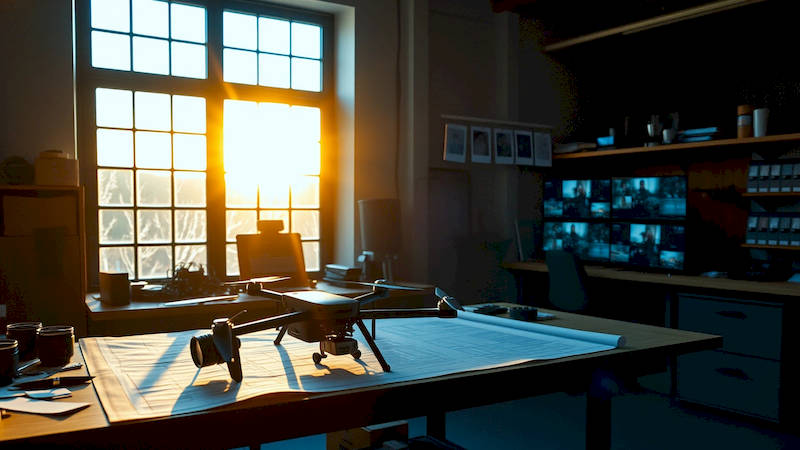
The world of freelance videography is evolving rapidly, driven by increasing demand for aerial perspectives and dynamic visual storytelling. While traditional ground-based videography remains essential, the integration of drone technology presents a significant opportunity for freelancers to expand their service offerings, attract new clients, and command higher rates. Drone footage adds a cinematic quality, offers unique angles, and simplifies shots that were previously costly and complex to achieve. In today’s visually saturated market, differentiating your services is crucial, and drone videography can be the key to standing out from the competition.
The demand for aerial footage is soaring across multiple industries, from real estate and construction to events, tourism, and filmmaking. This isn’t just a fleeting trend; it’s a fundamental shift in visual communication. However, simply owning a drone isn't enough. Successfully integrating drone services requires understanding the legal landscape, mastering the technical aspects of flight and cinematography, and strategically marketing these new capabilities to your existing and potential clientele. This article serves as a comprehensive guide for freelance videographers looking to elevate their business by embracing the power of drone technology.
- Understanding the Legal and Regulatory Framework for Commercial Drone Operations
- Equipping Yourself: Choosing the Right Drone and Accessories for Videography
- Mastering Drone Cinematography: Techniques for Capturing Compelling Aerial Footage
- Integrating Drone Services into Your Existing Videography Workflow
- Marketing Your Expanded Services: Reaching and Attracting New Clients
- Case Study: Transforming a Real Estate Portfolio with Aerial Videography
- The Future of Drone Videography: Trends and Opportunities
- Conclusion: Elevate Your Business with Aerial Perspectives
Understanding the Legal and Regulatory Framework for Commercial Drone Operations
Operating a drone for commercial purposes, which includes any work that generates income, is heavily regulated. Ignoring these regulations can lead to hefty fines, legal repercussions, and even the loss of your ability to fly. The primary governing body in the United States is the Federal Aviation Administration (FAA). Obtaining a Part 107 certificate is the foundational requirement for operating a drone commercially. This involves passing a knowledge test covering airspace regulations, weather effects, drone operation, and emergency procedures.
The FAA’s regulations are continuously evolving, so staying current is critical. Beyond the Part 107 certificate, you must adhere to specific airspace restrictions, obtain waivers for certain operations (like flying at night or beyond visual line of sight – BVLOS), and register your drones with the FAA. Understanding local and state laws is also crucial, as some municipalities have additional restrictions. Resources like the FAA website (https://www.faa.gov/uas) and the Academy of Model Aeronautics (AMA) (https://modelaircraft.org/) are invaluable for staying compliant and informed.
Furthermore, it’s essential to be aware of privacy concerns. Always obtain permission before filming on private property and be mindful of potential intrusions into the privacy of individuals. A clearly defined privacy policy, communicated to clients and potential subjects, can help mitigate legal and ethical risks. Investing in legal counsel specializing in drone law is a prudent step for more complex operations.
Equipping Yourself: Choosing the Right Drone and Accessories for Videography
Selecting the appropriate drone is a significant investment, and the "right" choice depends on your intended applications. Factors to consider include camera quality, flight time, portability, wind resistance, and budget. Entry-level drones like the DJI Mini 3 Pro offer excellent value for beginners, boasting impressive camera capabilities and a compact size. However, for professional-grade footage and more demanding projects, models like the DJI Mavic 3 Cine or Inspire 3 are more suitable, but come with a substantially higher price tag.
Beyond the drone itself, essential accessories include extra batteries (sufficient for a full day of shooting), ND filters (to control light exposure, especially in bright conditions), a reliable remote controller, and a robust carrying case. Consider investing in a professional video editing suite capable of handling high-resolution footage (4K and above). Also crucial is a good understanding of camera settings – ISO, shutter speed, aperture – to capture optimal video quality. Signal boosters can be essential in areas with potential interference, and parachute systems (while not legally required in all scenarios) can provide an added layer of safety.
Finally, don't overlook maintenance. Regularly inspect your drone for damage, calibrate the compass, and update the firmware to ensure optimal performance and safety. Remember that a reliable drone is a revenue-generating asset, and proper care is essential to maximizing your return on investment. Expect to allocate a portion of your revenue towards gear upgrades and replacements as technology advances.
Mastering Drone Cinematography: Techniques for Capturing Compelling Aerial Footage
Simply getting a drone into the air isn't enough to produce captivating video. Capturing smooth, cinematic aerial footage requires practice, technical proficiency, and an understanding of visual storytelling principles. Slow, deliberate movements are generally more effective than jerky, rapid ones. Mastering maneuvers like orbits, reveals, and tracking shots will add dynamism to your footage. Utilizing gimbal control is paramount – a properly stabilized gimbal ensures consistently smooth video even in windy conditions.
Framing your shots effectively is also crucial. Consider the rule of thirds, leading lines, and negative space to create visually appealing compositions. Experiment with different altitudes and angles to find the most compelling perspective. Understanding how light affects your footage is vital. Shooting during the "golden hour" (shortly after sunrise and before sunset) often yields the most flattering light. Practice flying in different weather conditions (while always prioritizing safety) to gain confidence and versatility.
Furthermore, understanding color grading and post-production techniques can dramatically enhance the quality of your aerial footage. Invest time in learning video editing software and experimenting with different looks and styles. A polished final product demonstrates professionalism and attention to detail.
Integrating Drone Services into Your Existing Videography Workflow
Before actively marketing your drone services, streamline your workflow to ensure efficiency. Develop a standardized pre-flight checklist to cover safety checks, airspace authorization, and client approvals. Create a system for managing drone footage – organizing files, backing up data, and maintaining a clear chain of custody. Develop a price list that accurately reflects the value of your drone services, factoring in equipment costs, flight time, editing time, and your expertise.
When working with clients, clearly communicate the capabilities and limitations of drone videography. Manage expectations upfront and discuss potential challenges (like weather restrictions) that might affect the shoot. Obtain all necessary permissions and releases before filming. Consider offering bundled packages that combine ground-based videography with aerial footage to provide a more comprehensive service. For example, a real estate package could include interior and exterior shots, with a drone providing stunning aerial views of the property and surrounding area.
A crucial step is insurance coverage. Obtain specific drone insurance to protect yourself against liability in the event of an accident or damage. This demonstrates professionalism and provides peace of mind for both you and your clients.
Marketing Your Expanded Services: Reaching and Attracting New Clients
Once you’re equipped and prepared, effectively marketing your drone videography services is paramount. Update your website and portfolio to showcase your aerial footage prominently. Create a dedicated page highlighting your drone capabilities, including sample videos and pricing information. Utilize social media platforms like YouTube, Instagram, and Vimeo to share your work and reach a wider audience. Targeting specific industries with tailored marketing messages can be particularly effective.
Networking within your local community and industry events is also crucial. Connect with real estate agents, construction companies, event organizers, and tourism boards – potential clients who frequently require aerial footage. Consider offering introductory discounts or free consultations to attract new customers. Actively solicit testimonials from satisfied clients and prominently display them on your website and social media profiles.
Search Engine Optimization (SEO) is essential for online visibility. Use relevant keywords (e.g., "drone videography [city]", "aerial videography services") in your website content and meta descriptions. Consider running targeted online advertising campaigns to reach specific demographics and geographic areas. Don’t forget the power of word-of-mouth referrals – encourage satisfied clients to spread the word about your services.
Case Study: Transforming a Real Estate Portfolio with Aerial Videography
A freelance videographer based in Austin, Texas, added drone services to their offerings and specifically targeted real estate agents. Previously, they were primarily focused on creating interior walkthrough videos. By incorporating aerial footage showcasing the property’s location, neighborhood amenities, and surrounding landscape, they significantly enhanced the value of their service. They initially offered a promotional package combining a traditional walkthrough video with a 2-minute aerial highlight reel.
The results were dramatic. Listings featuring their drone videos received 30% more views online and a 20% increase in buyer inquiries. Agents reported faster sales times and higher sale prices for properties with aerial footage. The videographer subsequently increased their pricing and now generates 40% of their revenue from drone videography services. This case demonstrates the tangible benefits of integrating drone technology into a freelance videography business.
The Future of Drone Videography: Trends and Opportunities
The drone industry is constantly evolving, presenting ongoing opportunities for freelance videographers. Advancements in drone technology include longer flight times, improved camera sensors, and AI-powered flight modes. The development of BVLOS (Beyond Visual Line of Sight) regulations is expected to unlock new possibilities for complex aerial operations. Augmented reality (AR) and virtual reality (VR) integrations are also emerging, offering immersive viewing experiences.
Staying ahead of the curve requires continuous learning and adaptation. Invest in ongoing training to master new technologies and techniques. Explore niche markets such as infrastructure inspection, agricultural surveying, and environmental monitoring. Collaborate with other creatives – photographers, graphic designers, and marketing specialists – to offer comprehensive multimedia solutions. By embracing innovation and continuously refining your skills, you can position yourself for long-term success in the dynamic world of freelance drone videography.
Conclusion: Elevate Your Business with Aerial Perspectives
Integrating drone photography and videography into your freelance services is no longer a luxury; it’s a necessity for staying competitive in today’s visual landscape. Mastering the legal requirements, investing in the right equipment, developing your cinematography skills, and strategically marketing your expanded offerings are crucial steps towards success. The increased demand for aerial footage across diverse industries, coupled with advancements in drone technology, presents substantial opportunities for freelance videographers willing to embrace this evolving field. By prioritizing safety, professionalism, and continuous learning, you can take your business to new heights – literally and figuratively. The key takeaways are clear: get certified, invest wisely, practice diligently, and market effectively. The sky’s the limit!
Deja una respuesta